Who needs high volume plastic injection molding?
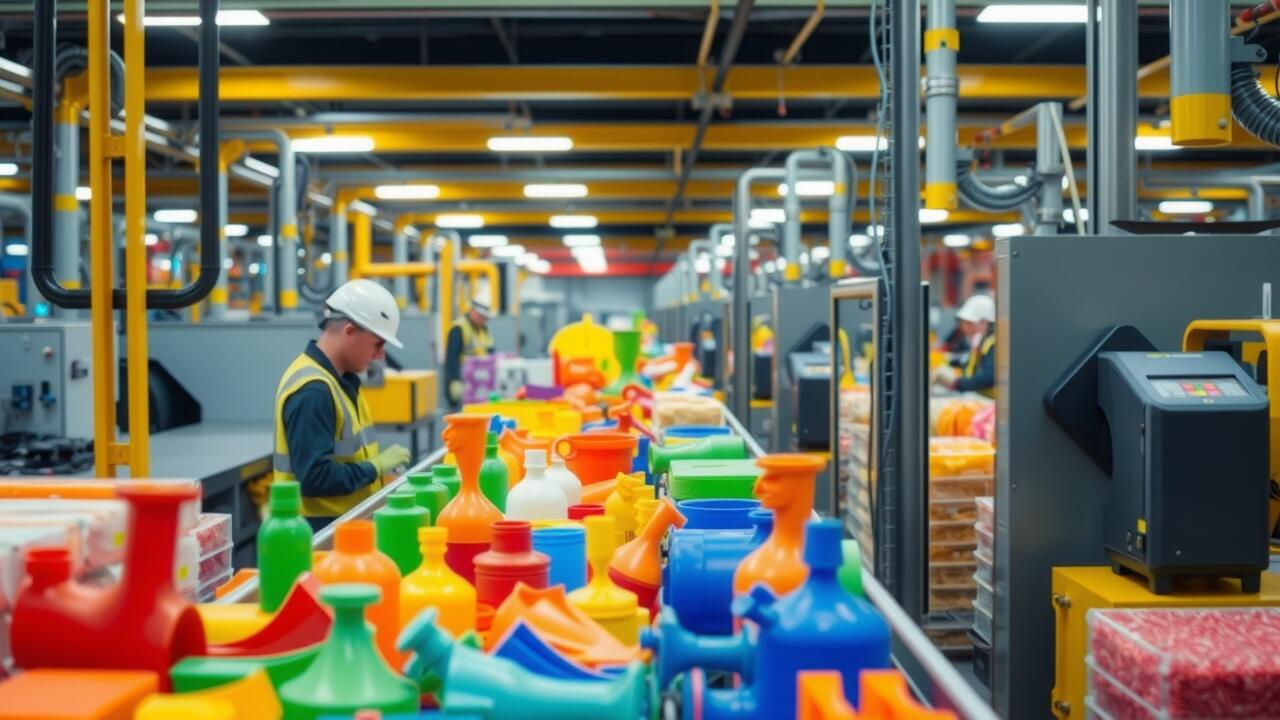
Customization Options Available in High Volume Production
High volume production offers various customization options that cater to distinct market needs. Manufacturers often provide flexibility in design, enabling clients to choose specific dimensions, colors, and materials that align with their branding and functionality requirements. This adaptability helps businesses differentiate their products in competitive landscapes while ensuring that their unique specifications are met.
Additionally, advanced technology plays a crucial role in enhancing customization capabilities. Techniques such as 3D printing and rapid prototyping allow for quick iterations and modifications, facilitating greater precision in the final output. This level of customization not only supports unique design preferences but also improves overall production efficiency by reducing the time spent on adjustments during the manufacturing process.
Tailoring Designs to Specific Industry Needs
Customization in high-volume production allows manufacturers to create products that meet the precise requirements of various industries. For example, the automotive sector often demands components that are lightweight yet durable, while the medical field requires parts that adhere to strict hygiene and safety standards. Tailoring designs not only enhances functionality but also addresses the unique challenges each industry presents, ensuring that manufacturers can deliver effective solutions to their clients.
Each industry has its own set of regulations and preferences that influence design choices. In electronics, for instance, space efficiency is critical, prompting a focus on compact shapes and intricate features. Alternatively, consumer goods may prioritize aesthetic attributes alongside functionality. By understanding the specific needs of different industries, manufacturers can optimize their designs and processes, ultimately leading to improved product performance and customer satisfaction.
Quality Control in High Volume Plastic Injection Molding
Maintaining high standards in the production process is paramount for successful plastic injection molding. Quality control plays a critical role in ensuring that each product meets the established specifications. This involves various techniques, including routine inspections, statistical process control, and the use of high-tech monitoring systems. By implementing these measures, manufacturers can identify defects early and minimize waste, leading to more efficient production cycles.
In addition to routine checks, thorough documentation is essential for maintaining quality throughout the production process. Accurate records of batch results and inspection findings help track performance trends and identify areas for improvement. Continuous training for staff on quality control protocols also contributes to the overall reliability of the manufacturing process. By fostering a culture of quality, companies can better adapt to changing demands while consistently delivering high-quality plastic components.
Ensuring Consistency and Reliability
In high volume plastic injection molding, maintaining quality control is essential for achieving consistent results. This process relies on precise measurements and repeatable techniques to produce identical products across numerous production cycles. Through rigorous testing and monitoring, manufacturers can detect variations in material properties or production methods that may compromise the integrity of the final product. Implementing automated systems for measurement and inspections helps to ensure that standards are consistently met.
Training personnel is also a critical factor in ensuring reliability throughout the production process. Skilled technicians understand the nuances of machinery and can quickly address any issues that arise. Regular maintenance of equipment minimizes the potential for defects and production delays. By prioritizing quality control measures and investing in personnel development, companies can foster an environment where consistency is the norm.
Environmental Considerations in High Volume Molding
The high volume molding industry is increasingly focusing on minimizing its environmental footprint. Sustainable practices are gaining traction as manufacturers explore eco-friendly materials and processes. These practices not only reduce waste but also lessen the impact of production on natural resources. Emphasizing recyclability and using bio-based plastics can significantly lower the carbon footprint associated with traditional materials.
Additionally, energy-efficient machinery is becoming a standard in high volume production. Investing in technology that consumes less energy during the molding process contributes to a more sustainable production cycle. Companies are adapting to stricter regulations and consumer demands for environmentally responsible products. By integrating sustainable practices, the industry aims to ensure that growth does not come at the expense of the environment.
Sustainable Practices in the Industry
The plastic injection molding industry has seen a significant shift towards sustainable practices in recent years. Many manufacturers are now prioritizing eco-friendly materials, opting for bioplastics and recyclable options that minimize environmental impact. This transition not only reduces waste but also aligns production methods with global sustainability goals. By integrating renewable resources, the industry can significantly lower its carbon footprint.
In addition to material choices, energy efficiency has become a focal point for many companies engaged in high-volume production. Advances in machinery technology allow for reduced energy consumption during the molding process. Implementing recycling programs for scrap materials further enhances sustainability efforts. As businesses adopt these practices, they demonstrate a commitment to environmental stewardship while maintaining competitive production costs.
Future Trends in High Volume Plastic Injection Molding
The landscape of high volume plastic injection molding is evolving rapidly due to technological advancements. Automation is becoming more prevalent, with robotics playing a crucial role in streamlining production processes. This shift enhances efficiency, reducing labor costs while improving precision. Moreover, smart factory solutions are integrating data analytics and Internet of Things (IoT) technologies to monitor machinery and optimize workflows. These innovations are not only driving efficiency but also ensuring that quality standards are maintained throughout production cycles.
Sustainability is emerging as another key focus in the future of high volume production. Manufacturers are increasingly adopting eco-friendly materials and processes to reduce their environmental footprint. Biodegradable plastics and recycled materials are gaining traction, reflecting a wider industry shift towards greener practices. Companies are also exploring closed-loop systems to minimize waste, further aligning with global sustainability goals. As consumer demand for environmentally responsible products rises, embracing these trends becomes vital for survival in a competitive market.
Innovations Driving Efficiency and Quality
Recent advancements in technology have significantly enhanced the efficiency and quality of high-volume plastic injection molding. Automation plays a crucial role, with state-of-the-art machinery enabling rapid production cycles and minimizing human error. Smart factories incorporate Internet of Things (IoT) devices, allowing for real-time monitoring of production processes, which facilitates immediate adjustments. Such integration not only optimizes workflow but also reduces operational costs, creating a leaner manufacturing environment.
Innovation also extends to material science, where the development of advanced polymers and additives improves the performance characteristics of molded parts. These materials often feature enhanced durability, reduced weight, and increased resistance to various environmental factors. By using better materials, manufacturers can produce components that meet specific industry standards while still capitalizing on higher production rates. Continuous research in this field will further drive improvements in both efficiency and the overall quality of the finished products.
- Improved automation technologies enhance precision and reduce waste.
- IoT integration supports predictive maintenance to prevent downtimes.
- Advanced polymers enable the production of lighter yet stronger components.
- Real-time data analytics help identify bottlenecks in the production process.
- Additives are being developed that enhance the sustainability of materials.
- Collaboration between tech companies and manufacturers fosters innovative solutions.
- Continuous training for workers ensures adaptation to new technologies and methods.