Innovative Technologies in Diesel Tank Gauging Systems
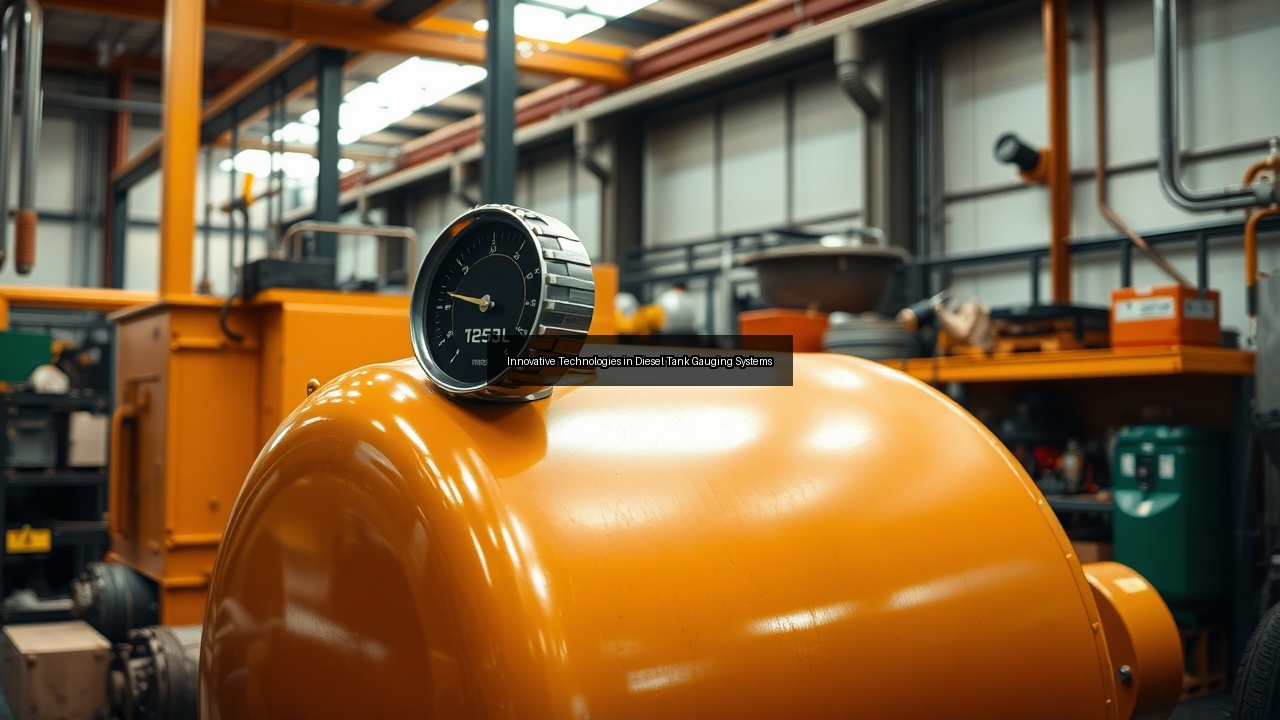
Understanding Diesel Tank Gauging Systems
What is a Diesel Tank Gauging System?
A diesel tank gauging system measures the level of diesel fuel in tanks, providing critical data for fuel management. These systems can range from simple mechanical float gauges to advanced electronic systems equipped with smart technology. Accurate measurement of fuel levels ensures that businesses maintain optimal fuel supplies, avoiding unnecessary downtime and service interruptions. In industries where diesel serves as the primary power source, such as construction, transportation, and agriculture, the ability to monitor fuel levels in real-time becomes paramount. This monitoring not only fosters efficient operations but also aids in planning fuel deliveries and minimizing waste.
Importance of Accurate Fuel Level Measurement
Accurate measurement of diesel fuel levels directly impacts operational efficiency and cost management. Inaccurate readings can lead to overfilling or running out of fuel, both of which can incur significant costs. Overfilling can result in spills, leading to environmental hazards and compliance issues, while running out of fuel can halt operations, causing delays and potential loss of revenue. Therefore, implementing a reliable fuel level gauge for diesel tanks is essential for maintaining a clear understanding of fuel inventory. Businesses can thereby schedule timely refuels, optimize fuel usage, and adhere to safety regulations, all of which contribute to better overall fuel management.
Types of Diesel Tank Gauges
Diesel tank gauges come in various types, each with unique advantages and applications. Mechanical gauges, such as float gauges, utilize a buoyant float to indicate fuel levels. Although simple and cost-effective, they lack precision. Electronic gauges offer improved accuracy and often feature digital displays that provide real-time data. Ultrasonic gauges use sound waves to measure fuel levels, while radar-based systems employ electromagnetic waves for non-contact measurements. Each type caters to specific operational needs, allowing businesses to choose the most suitable fuel tank level gauge based on their diesel tank capacities and usage patterns.
Innovative Technologies in Fuel Level Gauging
Ultrasonic Gauging Systems
Ultrasonic gauging systems represent a significant advancement in diesel tank measurement technology. These systems use sound waves to detect the distance between the sensor and the surface of the diesel fuel. The time it takes for the sound waves to travel to the fuel surface and back allows the system to calculate the fuel level accurately. Such systems are non-invasive and do not come into contact with the fuel, ensuring no contamination diesels occurs. Moreover, ultrasonic gauges provide continuous monitoring and can integrate with other systems for enhanced fuel management. Their reliability and accuracy make them a popular choice among industries reliant on diesel fuel.
Radar-Based Fuel Level Measurement
Radar-based fuel level measurement systems utilize microwave radar waves to determine the fuel level in diesel tanks. This technology operates effectively in various conditions, such as extreme temperatures and pressures, making it well-suited for industrial applications. Radar gauges measure the time it takes for the radar signal to bounce off the surface of the diesel fuel and return to the sensor. The system provides precise readings, even in challenging environments, and offers real-time monitoring capabilities. Businesses benefit from enhanced fuel management, ultimately leading to reduced operational costs and improved efficiency. The precision of radar-based systems positions them as a leading choice in modern diesel tank gauging technology.
Smart Sensors and IoT Integration
Smart sensors combined with Internet of Things (IoT) technology revolutionize the way diesel tank gauging systems operate. These sensors collect and transmit data in real-time, allowing operators to monitor fuel levels remotely via smartphones or computers. Integration with IoT platforms enables predictive analytics, alerting users to potential issues before they escalate. For instance, these systems can notify operators when fuel levels drop below a certain threshold or if an unauthorized access attempt occurs. The convenience of remote monitoring enhances operational efficiency and supports proactive fuel management strategies. The trend towards smart sensors and IoT integration signifies a shift towards more connected, efficient, and user-friendly diesel fuel management solutions.
Benefits of Modern Diesel Level Gauges
Enhanced Fuel Management
Modern diesel level gauges significantly enhance fuel management processes. Accurate and real-time monitoring allows operators to maintain optimal fuel levels, preventing shortages and ensuring seamless operations. Automated alerts for low fuel levels facilitate timely refueling, thus minimizing the risk of operational disruptions. Furthermore, advanced gauges provide data analytics that help businesses identify usage patterns, leading to more informed decision-making regarding fuel purchases and storage. The result is streamlined fuel management that reduces waste and maximizes efficiency, ultimately contributing to cost savings and improved operational performance.
Cost Efficiency and Savings
Investing in advanced diesel fuel level gauges translates into substantial cost savings over time. Accurate measurements reduce the likelihood of costly spills and overfilling, which can lead to significant financial penalties and environmental fines. Moreover, optimized fuel management decreases unnecessary fuel purchases, allowing businesses to allocate resources more effectively. Reduced downtime due to fuel shortages also contributes to enhanced productivity. By leveraging modern diesel level gauges, companies can achieve better budget control and realize significant savings, boosting their bottom line in a competitive market.
Improved Safety and Compliance
Safety and compliance are critical concerns for businesses dealing with diesel fuel. Modern diesel tank gauging systems enhance safety by providing accurate real-time fuel level data, reducing the risk of spills and leaks. Many advanced systems include built-in safety features, such as alarms that activate when fuel levels fall below safe thresholds or when unauthorized access is attempted. Furthermore, accurate fuel management aids compliance with environmental regulations, reducing the likelihood of costly fines and legal issues. Implementing reliable fuel level gauges fosters a safer working environment while ensuring adherence to industry standards and regulations.
Future Trends in Diesel Tank Gauging
Sustainability in Fuel Management
As industries increasingly prioritize sustainability, the future of diesel tank gauging will incorporate eco-friendly practices. Innovations will focus on minimizing fuel waste and optimizing diesel use while considering environmental impacts. Advanced gauging systems will integrate features that track carbon footprints, enabling businesses to monitor their environmental performance closely. Companies will adopt strategies that emphasize responsible fueling practices, reducing emissions and enhancing corporate sustainability initiatives. The shift towards greener fuel management solutions will not only meet regulatory requirements but also align with consumer demand for environmentally responsible practices.
Integration with Diesel Engine Systems
The integration of diesel tank gauging systems with diesel engine systems represents a significant trend toward operational efficiency. By connecting tank gauges with engine management systems, businesses can achieve more synchronized operations. Real-time data sharing allows for more accurate fuel consumption tracking, enabling predictive maintenance and reducing fuel waste. This integration enhances overall performance and allows for smarter resource allocation. As technology evolves, seamless communication between diesel tanks and engine systems will become a standard expectation, driving further innovations in the industry.
The Role of AI in Fuel Level Monitoring
Artificial intelligence (AI) is poised to transform diesel tank gauging systems significantly. AI algorithms can analyze large datasets from fuel level gauges, identifying trends and anomalies that human operators may overlook. Predictive analytics powered by AI can forecast fuel needs based on historical usage patterns, enabling proactive refueling schedules. Additionally, AI can enhance security measures by detecting irregular access patterns or unauthorized attempts to manipulate fuel levels. As businesses continue to leverage AI in fuel level monitoring, they will experience improved accuracy, efficiency, and security in their diesel fuel management processes.
See Also
- How to Choose the Right Diesel Tank Gauge for Your Fuel Management Needs
- The Role of Fuel Level Gauges in Reducing Diesel Fuel Costs
- Comparing Digital and Analog Gauges for Diesel Fuel Monitoring
- Best Practices for Maintaining Your Diesel Tank and Fuel Gauge
- The Top Benefits of Installing a Fuel Gauge in Your Diesel Tank