Innovative Designs in Oil Tanks for Enhanced Storage Efficiency
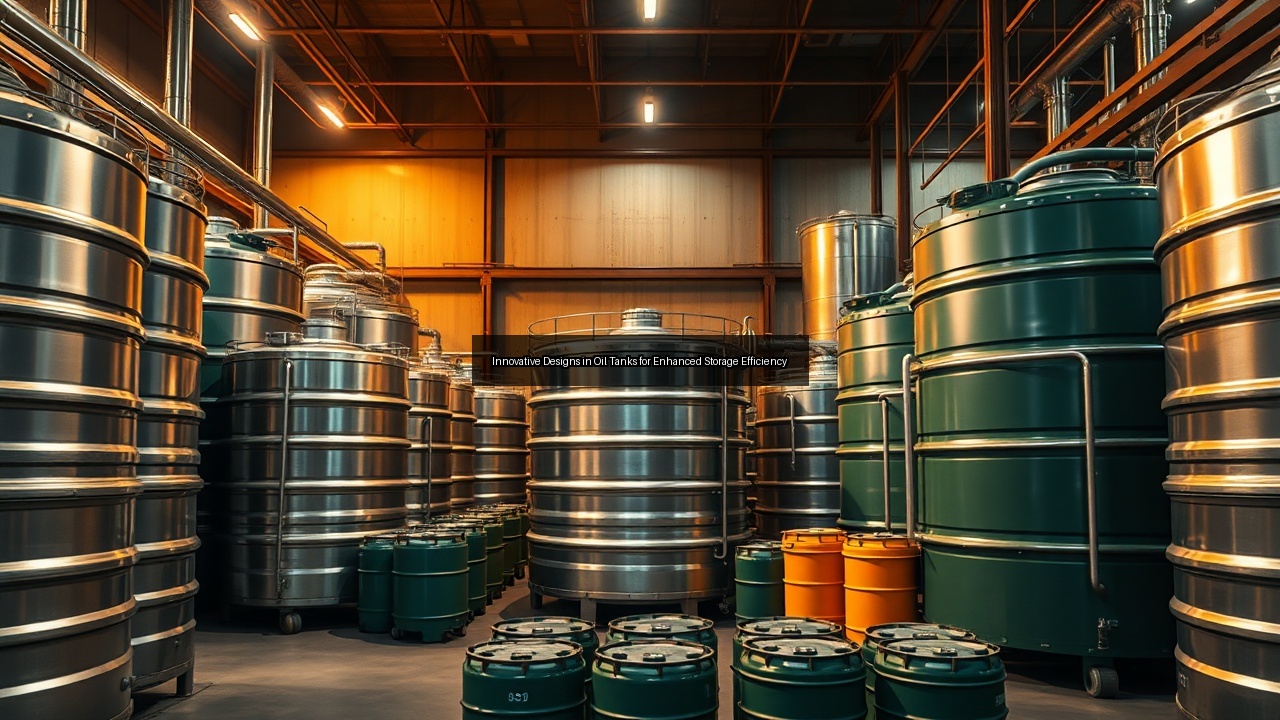
Understanding the Importance of Efficient Oil Storage
The Role of Oil Storage in the Oil and Gas Industry
Efficient oil storage plays a vital role in the oil and gas industry. Proper oil storage ensures the smooth operation of refineries, distribution centers, and retail outlets. Companies rely on oil storage containers to maintain a stable supply of lubricants and fuels, facilitating seamless operations across various sectors. An efficient oil tank can handle vast quantities—measured in gallons, liters, or quarts—while ensuring minimal environmental impact. The design of oil storage tanks directly influences operational efficiency, safety, and compliance with regulatory standards. When oil is stored effectively, companies can better manage fluctuations in demand, optimize inventory levels, and reduce costs. The significance of robust oil storage systems cannot be overstated as they form the backbone of the entire supply chain.
Challenges in Traditional Oil Tank Designs
Traditional oil tank designs present several challenges that can hinder efficiency and safety. Many older tanks lack modern features that enhance usability and environmental protection. For instance, outdated oil storage containers often experience leaks or corrosion, leading to potential spills and environmental contamination. Furthermore, traditional designs may not allow for easy monitoring of oil levels, complicating inventory management. The use of metal drums, while common, can result in heavy maintenance costs and limited lifespan. These issues prompt companies to seek innovative solutions that address reliability and safety concerns. As the industry evolves, the shift toward more advanced tank designs becomes imperative, ensuring that oil and gas storage facilities operate at peak efficiency.
Key Features of Modern Oil Storage Tanks
Modern oil storage tanks incorporate several key features that enhance efficiency and safety. First, many tanks utilize advanced monitoring systems that provide real-time data on oil levels, temperature, and pressure. This technology enables quick responses to any changes, reducing the risk of spills and enhancing operational efficiency. Additionally, modern designs often include double-walled construction, which significantly decreases the risk of leaks and environmental contamination. The integration of gravity feed systems allows for optimal lubrication, ensuring that the oil flows smoothly without the need for excessive pumping. Some tanks are crafted from durable plastic materials, offering better resistance to corrosion compared to traditional metal drums. These innovations make modern oil storage tanks a crucial component in the pursuit of more efficient and sustainable oil and gas operations.
Innovative Designs in Oil Tanks
Gravity Feed Systems for Optimal Lubrication
Gravity feed systems in oil tanks offer an efficient method of lubrication delivery, ensuring that oil reaches machinery without unnecessary delays. This design utilizes the natural force of gravity, allowing oil to flow smoothly from the tank directly to the required application. By minimizing reliance on pumps, companies reduce energy consumption and mechanical wear, leading to lower maintenance costs. Gravity feed systems also simplify the storage process, enabling easy access to the oil stored in containers, which can be critical in high-demand scenarios. These systems can handle various types of lubricants, whether stored in gallons or liters, making them versatile for diverse industrial applications. As businesses push for greater efficiency, gravity feed designs continue to gain popularity, proving their value in modern oil storage solutions.
Plastic Containers vs. Metal Drums: A Comparative Analysis
The choice between plastic containers and metal drums for oil storage involves evaluating several critical factors. Plastic containers often provide superior resistance to corrosion, a common issue with metal drums that can compromise the integrity of stored oil. Furthermore, plastic is typically lighter than metal, facilitating easier transport and installation. Many plastic oil storage containers also feature built-in handles and spouts, enhancing usability. However, metal drums have long been favored for their durability and strength, especially when handling larger quantities of oil. They can withstand harsh environmental conditions better than some plastic alternatives. Ultimately, the decision hinges on specific storage needs, including the type of oil being stored, the required capacity, and the environmental conditions of the storage site. Understanding these differences helps businesses make informed choices regarding their oil storage containers.
Cage Storage Solutions for Enhanced Safety
Cage storage solutions for oil tanks enhance safety and security by providing an enclosed environment for oil storage containers. These cages protect the tanks from physical damage and unauthorized access, ensuring that stored oil remains secure. Additionally, cage storage systems often include features oil container such as spill containment trays, which capture any accidental leaks and prevent environmental contamination. This proactive approach to safety aligns with industry regulations, reducing liability for companies. Cage designs also allow for better organization, making it easier for workers to access and manage oil storage containers. The combination of safety containers for storing oil and efficiency makes cage storage solutions increasingly popular among businesses in the oil and gas sector, as they prioritize both protection and operational effectiveness.
Sustainability and Environmental Considerations
Recycling and Reusing Oil Storage Containers
Recycling and reusing oil storage containers play a crucial role in promoting sustainability within the oil and gas industry. As environmental concerns escalate, companies are increasingly focused on reducing waste and minimizing their ecological footprint. Many modern plastic containers are designed for reuse, allowing businesses to refill and repurpose them multiple times without compromising quality. Metal drums can also be recycled, provided they are properly cleaned and decontaminated. Implementing a recycling program not only conserves resources but also lowers disposal costs. Furthermore, promoting sustainable practices enhances a company’s reputation, appealing to environmentally conscious consumers and investors. By prioritizing recycling and reuse, the oil storage sector can contribute significantly to environmental preservation while maintaining operational efficiency.
Impact of Design on Oil Spillage Prevention
The design of oil storage tanks significantly impacts spillage prevention and environmental protection. Modern tanks incorporate features like secondary containment systems, which provide an additional layer of security against leaks. These systems capture any potential spills before they can reach the environment, mitigating risks associated with oil storage. Advanced materials used in tank construction enhance resistance to corrosion and wear, further reducing the likelihood of leaks. Additionally, tanks equipped with automatic shut-off valves minimize the chances of overfilling, a common cause of spills. By focusing on innovative designs that prioritize spillage prevention, the industry can foster safer practices and protect ecosystems from the adverse effects of oil contamination.
Future Trends in Eco-Friendly Oil Tanks
Future trends in eco-friendly oil tanks indicate a strong shift towards sustainable practices and materials. Manufacturers are exploring biodegradable materials for container construction, reducing reliance on petroleum-based plastics. Innovations in smart technology will further enhance monitoring capabilities, allowing for real-time tracking of oil levels and environmental conditions. These advancements will promote proactive management of oil storage, minimizing risks associated with leaks and spills. Additionally, companies will likely adopt renewable energy sources to power their storage facilities, further reducing carbon footprints. By embracing these trends, the oil and gas industry can align with global sustainability goals while maintaining efficiency in oil storage and distribution.