Exploring Lithium and Calcium Based Greases for Heavy-Duty Industrial Use

Understanding Lithium and Calcium Based Greases
What are Lithium Greases?
Lithium greases form through the combination of lithium soap thickeners with high-quality base oils, delivering reliable performance across demanding conditions. Manufacturers blend these components to create stable lubricants that adhere well to metal surfaces and resist washout. Industrial users select lithium greases for their ability to handle heavy loads while maintaining consistent viscosity. These greases excel in applications involving rotating equipment because they minimize wear from friction over extended periods. Workers often rely on lithium formulations in automotive and manufacturing settings where temperature fluctuations occur regularly. The thickener structure allows lithium greases to stay in place without separating under mechanical stress. Many facilities stock lithium greases as a primary choice for general-purpose lubrication tasks because they offer broad compatibility with seals and metals. Proper storage prevents oxidation and extends shelf life, ensuring the grease retains its protective qualities until application.
What are Calcium Greases?
Calcium greases rely on calcium soap thickeners combined with mineral or synthetic oils to produce water-resistant lubrication. Producers create these greases for environments where moisture exposure threatens equipment integrity. The calcium base provides strong adhesion even in wet conditions, making the product suitable for marine and outdoor machinery. Users apply calcium greases to bearings and chassis components that face frequent cleaning or rain. These greases maintain their structure at moderate temperatures and resist emulsification when water contacts the surface. Industrial teams value calcium greases for their cost-effectiveness in short-term or seasonal operations. The formulation process involves careful control of the reaction between lime and fatty acids to achieve desired consistency. Calcium greases also demonstrate good pumpability through centralized systems, allowing efficient distribution across large equipment arrays.
Comparative Analysis of Lithium and Calcium Greases
Lithium and calcium greases differ in thickener chemistry and resulting performance traits. Lithium versions handle higher temperatures and offer longer service intervals, while calcium types prioritize water resistance at lower operating ranges. Operators compare drop points and shear stability when matching a grease to specific machinery demands. Lithium greases generally provide superior oxidation resistance, extending relubrication cycles in enclosed systems. Calcium greases, however, perform better where condensation or direct water contact occurs regularly. Cost considerations often guide selection, with calcium greases frequently proving more economical for less critical applications. Both types integrate well with additives that enhance extreme pressure properties. Facilities test samples under actual load conditions to determine which industrial greases deliver optimal friction reduction and component protection.
Properties and Performance Characteristics
Temperature Stability and Heat Resistance
Industrial greases must withstand sustained heat without losing structural integrity. Lithium greases maintain stability up to 120 degrees Celsius in continuous operation, protecting bearings in kilns and ovens. Calcium greases operate effectively below 80 degrees Celsius and soften when exposed to prolonged heat. Engineers monitor temperature cycles to select the appropriate lubricant that prevents thinning and leakage. Additives improve heat resistance in lithium formulations, allowing use near engines and compressors. Heat buildup increases friction if the grease fails to dissipate energy properly. Proper selection reduces downtime caused by lubricant breakdown in high-temperature zones. Facilities install sensors to track bearing temperatures and schedule maintenance before heat damages components.
Melting Points and Their Importance
Melting points determine how long a grease remains effective before it liquefies and migrates away from contact surfaces. Lithium greases exhibit drop points above 180 degrees Celsius, supporting heavy-duty cycles without failure. Calcium greases melt around 100 degrees Celsius, limiting their use in heated environments. Maintenance teams track melting behavior during audits to avoid equipment seizure. High melting points reduce the frequency of relubrication in continuous processes. Operators match melting characteristics to machine operating profiles for maximum protection. Low melting greases require frequent inspection in warm climates or near heat sources. Understanding these thresholds helps facilities optimize lubricant inventories and reduce waste from premature replacement.
Friction Reduction and Lubrication Efficiency
Effective lubrication lowers friction between moving parts and extends service life of gears and bearings. Lithium greases form durable films that separate surfaces under high pressure, cutting energy losses in industrial machinery. Calcium greases reduce friction in wet sliding contacts where water would displace less resistant products. Efficiency gains appear quickly after application as torque requirements drop. Technicians measure vibration and temperature to verify friction reduction in real time. Additives such as extreme pressure agents further improve performance in both grease types. Consistent lubrication prevents metal-to-metal contact that accelerates wear. Plants track energy consumption before and after grease changes to quantify efficiency improvements across production lines.
Applications in Heavy-Duty Industrial Environments

Use in Food and Beverage Industry
Food and beverage facilities require greases that meet strict hygiene standards while protecting equipment. Lithium greases formulated as food-grade products lubricate mixers, conveyors, and fillers without risking product contamination. Calcium greases serve in wet zones such as bottle washers where water exposure is constant. Both types undergo NSF registration to confirm safety for incidental food contact. Maintenance crews apply these industrial greases during scheduled cleanings to avoid production interruptions. Proper lubrication prevents bearing failures that could halt processing lines. Food plants document grease usage to maintain traceability and comply with regulatory audits. Selecting the right lubricant ensures smooth operation without compromising product integrity.
Role in Gear Oil and Heavy Machinery
Gear oil systems often incorporate grease for open gears and slow-moving components where fluid retention matters. Lithium greases provide tackiness that keeps lubricant in place on large tooth surfaces. Calcium greases protect exposed gears on outdoor cranes and excavators from washout. Heavy machinery benefits from the load-carrying capacity these greases deliver under shock loading. Operators combine gear oil changes with grease points during comprehensive service intervals. Proper application reduces metal particle generation and extends gear life. Industrial sites maintain separate storage for gear oil and greases to prevent cross-contamination during transfers.
Relubrication Strategies for Longevity
Relubrication intervals depend on operating speed, load, and environmental exposure. Lithium greases support extended cycles in sealed bearings, reducing labor costs over time. Calcium greases require more frequent application in splash zones to maintain protective films. Automated systems deliver precise quantities at set intervals, improving consistency across large plants. Technicians calculate grease volume based on bearing size and speed to avoid overpacking that generates heat. Regular relubrication prevents contamination ingress and flushes out degraded lubricant. Facilities log relubrication data to refine schedules and predict component replacement needs accurately.
Environmental Impact and Contamination Concerns
Biodegradability of Industrial Greases
Biodegradable industrial greases reduce long-term soil and water impact when leaks occur. Lithium and calcium formulations now include synthetic esters that break down faster than traditional mineral oil bases. Manufacturers test products according to OECD standards to verify degradation rates. Plants handling sensitive environments prefer these options to limit cleanup expenses after spills. Biodegradability does not compromise lubrication performance when additives are balanced correctly. Operators dispose of spent grease through certified recyclers to prevent improper release into the environment. Selecting biodegradable greases supports corporate sustainability goals without sacrificing equipment protection.
Contamination Risks and Mitigation
Contamination enters grease through poor sealing, dirty application tools, or airborne particles. Lithium greases resist some contaminants better due to their denser structure, yet both types require clean handling practices. Facilities install filters on centralized lube systems to remove debris before it reaches bearings. Regular sampling detects water or metal particles that signal developing problems. Mitigation includes using dedicated grease guns and wiping fittings before application. Contaminated grease accelerates wear and raises operating temperatures rapidly. Proactive measures protect capital equipment investments and maintain production uptime.
Choosing Eco-Friendly Lubricant Brands
Eco-friendly lubricant brands develop greases with reduced heavy metal content and renewable base stocks. Buyers evaluate product data sheets for biodegradability percentages and toxicity profiles before purchase. Lithium and calcium greases from responsible brands carry certifications that verify environmental claims. Purchasing teams compare multiple suppliers to balance performance, price, and sustainability metrics. Long-term contracts with verified brands ensure consistent supply of high-quality industrial greases. These choices help facilities meet regulatory requirements while maintaining reliable lubrication across operations.
Future Trends in Industrial Lubricants
Innovations in Grease Formulation
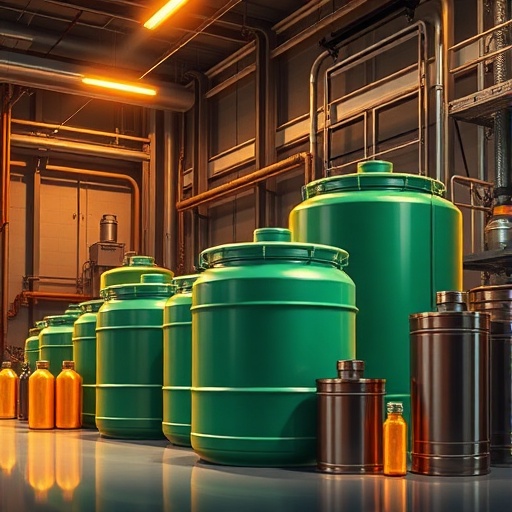
Recent innovations focus on hybrid thickeners that combine lithium and calcium benefits in single products. Researchers test new base oils that extend temperature ranges without increasing cost. These advances allow industrial greases to serve broader applications with fewer stock-keeping units. Pilot programs demonstrate improved shear stability and water resistance in updated formulations. Manufacturers collaborate with end users to tailor greases for specific machinery challenges. Continued development targets longer relubrication intervals that lower maintenance labor demands.
The Role of Additives like Fumed Silica and Clay
Fumed silica and clay serve as thickeners or rheology modifiers in modern grease recipes. Fumed silica improves clarity and pumpability in synthetic lithium greases. Clay thickeners enhance high-temperature stability in calcium-based products for kiln applications. Both additives help control oil bleed and maintain consistency under mechanical working. Formulators balance additive levels to avoid excessive stiffness that hinders distribution. These materials expand the performance window of industrial greases without requiring entirely new thickener chemistry.
Market Trends and Brand Developments
Market trends show rising demand for multipurpose greases that reduce inventory complexity. Leading brands invest in digital tools that track lubricant consumption and predict relubrication needs. Lithium and calcium greases remain core offerings while specialized variants target niche sectors. Competitive pricing and technical support drive brand selection among industrial buyers. Sustainability reporting now influences purchasing decisions alongside traditional performance data. Continued brand developments emphasize supply chain resilience and rapid customization capabilities.
See Also
- Choosing the Right Industrial Grease for Food and Beverage Applications
- How Temperature and Contamination Affect the Lifespan of Industrial Lubricants
- The Science Behind Industrial Greases and Their Role in Reducing Friction
- Unlocking the Secrets of Industrial Greases for Optimal Machinery Performance